The four things almost every East Nashville bungalow is hiding, and how to plan a scope that doesn't collapse when they show up.
What should you know before you open the walls of a bungalow?
Almost every pre-1950 East Nashville bungalow we open up is hiding at least two of four things: knob-and-tube wiring in a corner of the attic, cast-iron drain lines behind the kitchen or a bath wall, an original clay sewer lateral out to the street, and framing that was cut into over the decades for HVAC runs that no longer exist.
None of these are dealbreakers. All of them cost money. If your contractor doesn't say the word 'contingency' in the first conversation, walk away.
Is the plaster worth saving?
Usually yes. Original three-coat plaster on wood lath is quieter, harder, and more fire-resistant than modern drywall. It's also the finish that reads as 'original house' the second you walk in.
The right move is to save plaster where it's sound, stabilize hairline cracks, and only cut it where systems work forces you to. When you do have to open a wall, patch it back with skim-coated blueboard so the transition is invisible.
How much contingency should you actually plan?
On a historic renovation, 15 to 20 percent contingency isn't a worst case — it's the working number. It covers the framing repair you couldn't see, the second sub-panel the electrician wants, and the sewer lateral that turned out to be clay under the front yard.
The best contractors bid the known scope tight and are honest that the unknowns need real money set aside. The worst contractors bid low, then let the unknowns eat you alive as change orders.
What does the historic overlay process add to the timeline?
If your house is in a Nashville historic overlay, exterior changes go through review before permit. Interior work is usually not reviewed, but roofline, window, and porch changes are. The board meets on a schedule, and the review packet — drawings, materials, photos — takes real preparation.
Plan for 6 to 10 weeks between submission and approval, and don't book demo until you have the stamped permit in your inbox.
Is it worth it?
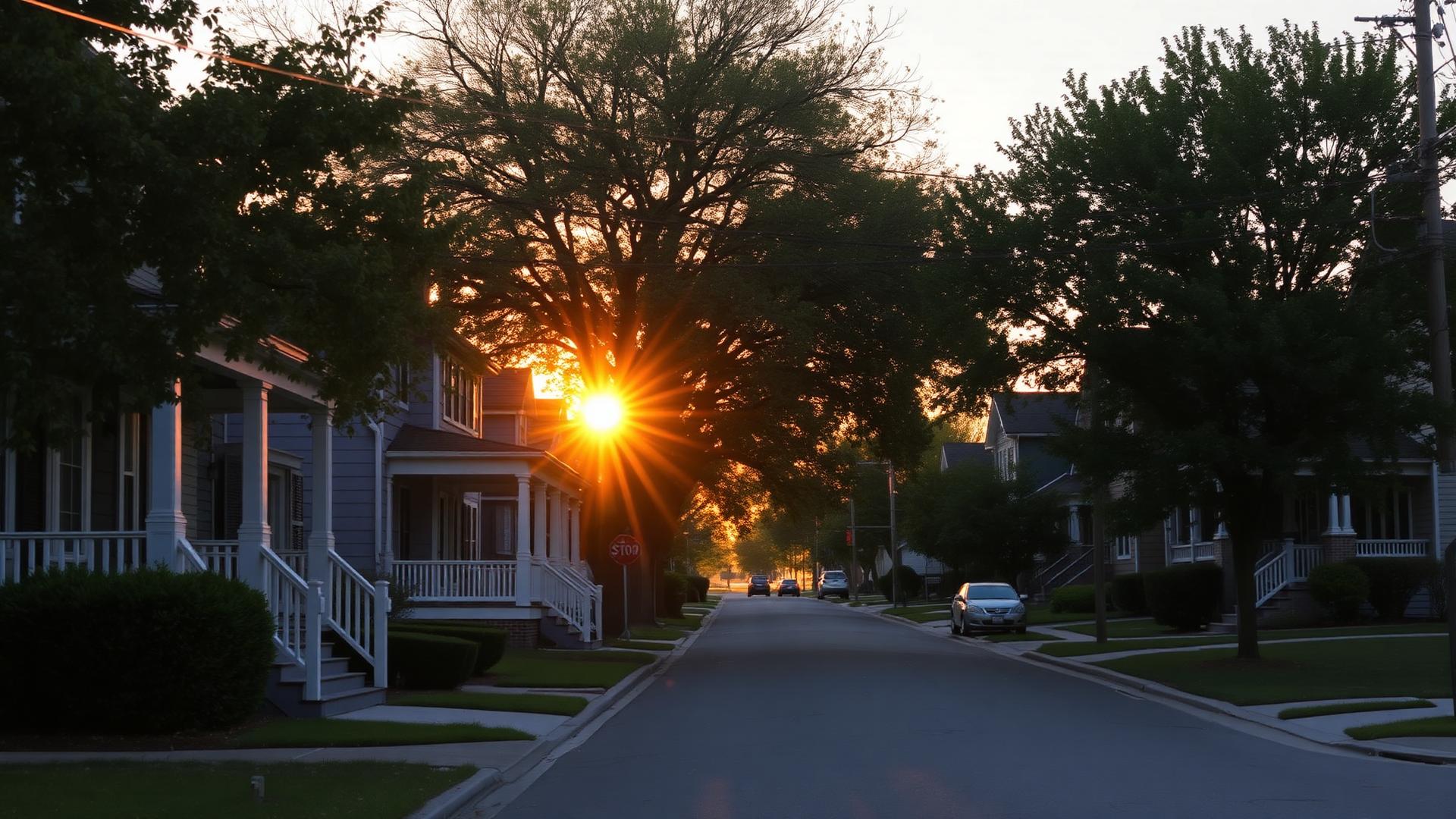
Bungalows in East Nashville are some of the best-built small houses in America. The proportions are right, the porches are right, and the neighborhoods are what they are because of them. A renovation done with respect gives you a hundred-year-old house that lives like it was built this year.
That's a different thing than a new house. If you want a new house, buy one. If you want a house with a soul, this is how you keep it.
Figures are illustrative examples, not quotes.
Have a project you're weighing?
A consultation is free, and you'll walk away with a rough range within a week.
Request a Consultation